Top Ad 728x90

More Stories

Wednesday, May 13, 2026

My neighbor shared this old

by


This slow cooker 4-ingredient Amish sour cream noodle dish is the kind of recipe neighbors pass over the fence and families quietly turn into a weekly ritual. It’s based on simple Midwestern pantry staples and the Amish-style love of uncomplicated, comforting food: thick egg noodles, real butter, tangy sour cream, and a bit of broth to bring it all together.

The result is a silky, ultra-creamy tangle of noodles that practically melts on your tongue, with buttery golden swirls and just enough pepper to keep it from feeling one-note. It’s the sort of recipe you make once on a busy weeknight and then find yourself pulling out the slow cooker for again and again.

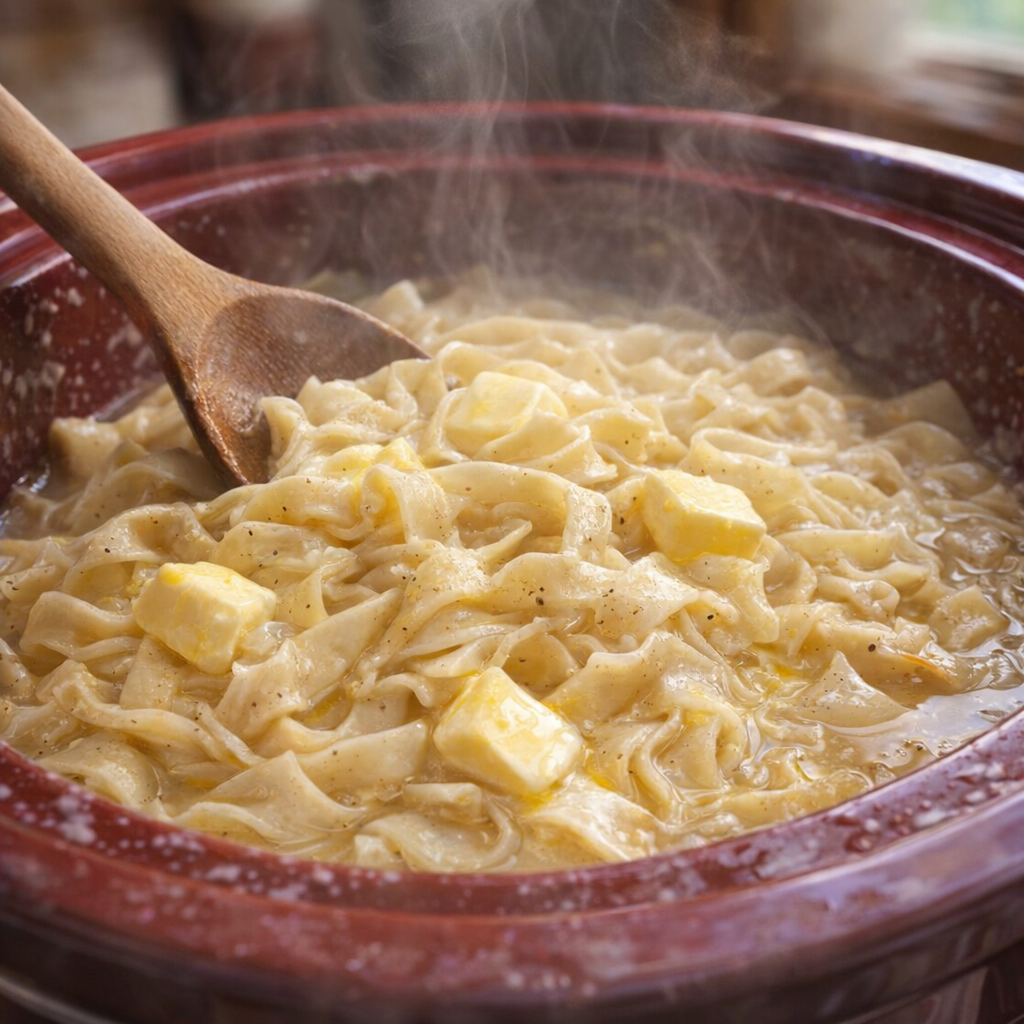
Creamy Amish-style sour cream noodles served in a slow cooker

Serve these creamy sour cream noodles as a main dish with a crisp green salad or steamed broccoli to balance the richness. They also pair beautifully with simple roasted or grilled chicken, pork chops, or a pan of meatloaf for a classic Midwestern-style supper.

A side of buttered peas or green beans and some crusty bread or dinner rolls to swipe through the extra sauce turns this into a complete, cozy meal.

Slow Cooker Amish Sour Cream Noodles

Servings: 6

Ingredients
12 oz wide egg noodles (dried, homestyle or Amish-style if available)
3 cups chicken broth (low-sodium preferred)
2 cups full-fat sour cream
6 tbsp unsalted butter, cut into pieces
1 tsp kosher salt, or to taste
1/2 tsp freshly ground black pepper, plus more for serving
Directions
Lightly grease the inside of a 4- to 6-quart slow cooker with a bit of butter or nonstick spray to help prevent the noodles from sticking.
Pour the chicken broth into the slow cooker. Stir in the salt and black pepper so the seasoning is evenly distributed in the liquid.
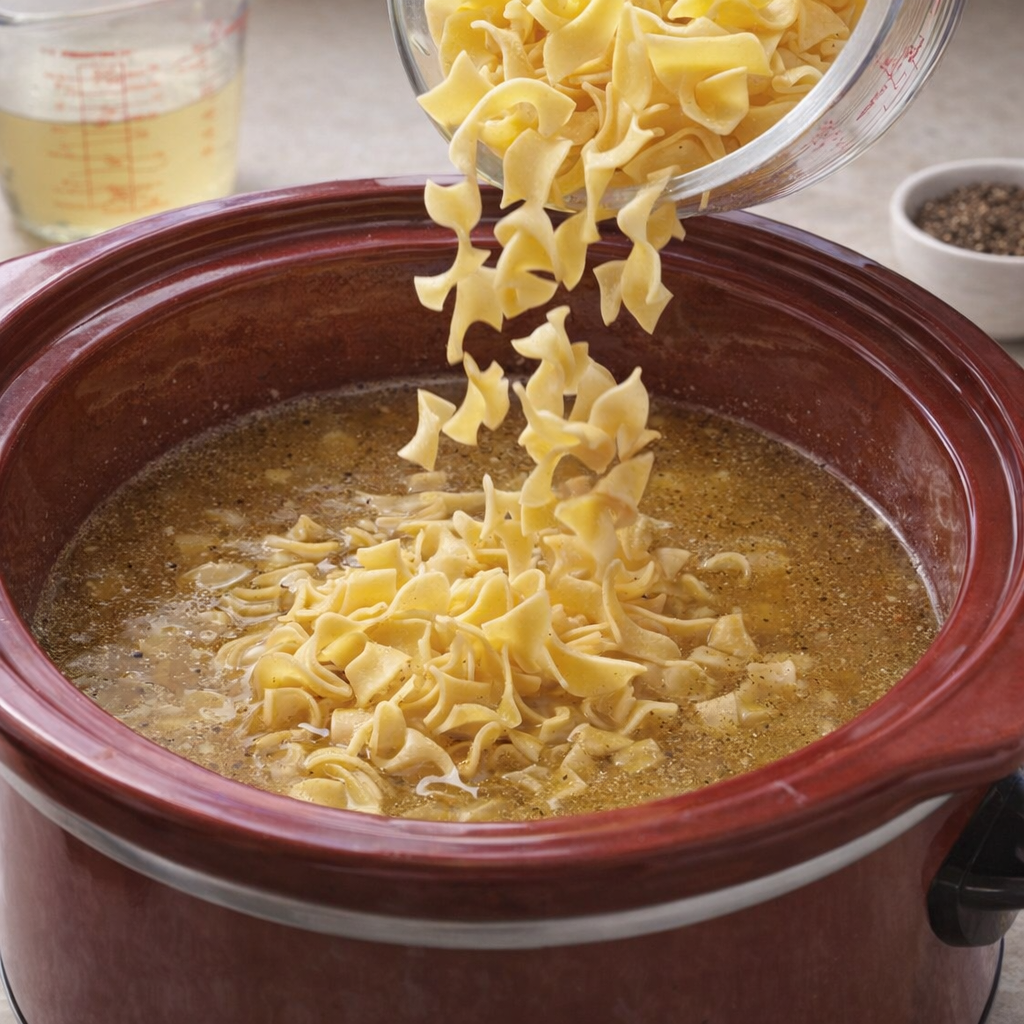
Dry egg noodles and broth being added to a slow cooker
Add the dry egg noodles to the slow cooker, spreading them out as evenly as possible so they sit in the broth. Press them down gently with a spoon to help submerge them; it’s fine if a few tips poke above the liquid, as they will soften and sink as they cook.
Dot the top of the noodles with the pieces of butter, spacing them around so they can melt and swirl through the broth as the mixture heats.
Cover the slow cooker and cook on HIGH for 1 hour, then gently open the lid and give the noodles a soft stir, lifting from the bottom to loosen any that may be sticking. Replace the lid and continue cooking on HIGH for another 30 to 45 minutes, or until the noodles are tender but not mushy and most of the liquid has been absorbed into a glossy, starchy coating.
Partially cooked noodles being stirred in the slow cooker
Once the noodles are tender and there is just a bit of saucy liquid left in the bottom, turn the slow cooker to WARM or LOW. Add the sour cream directly to the hot noodles.
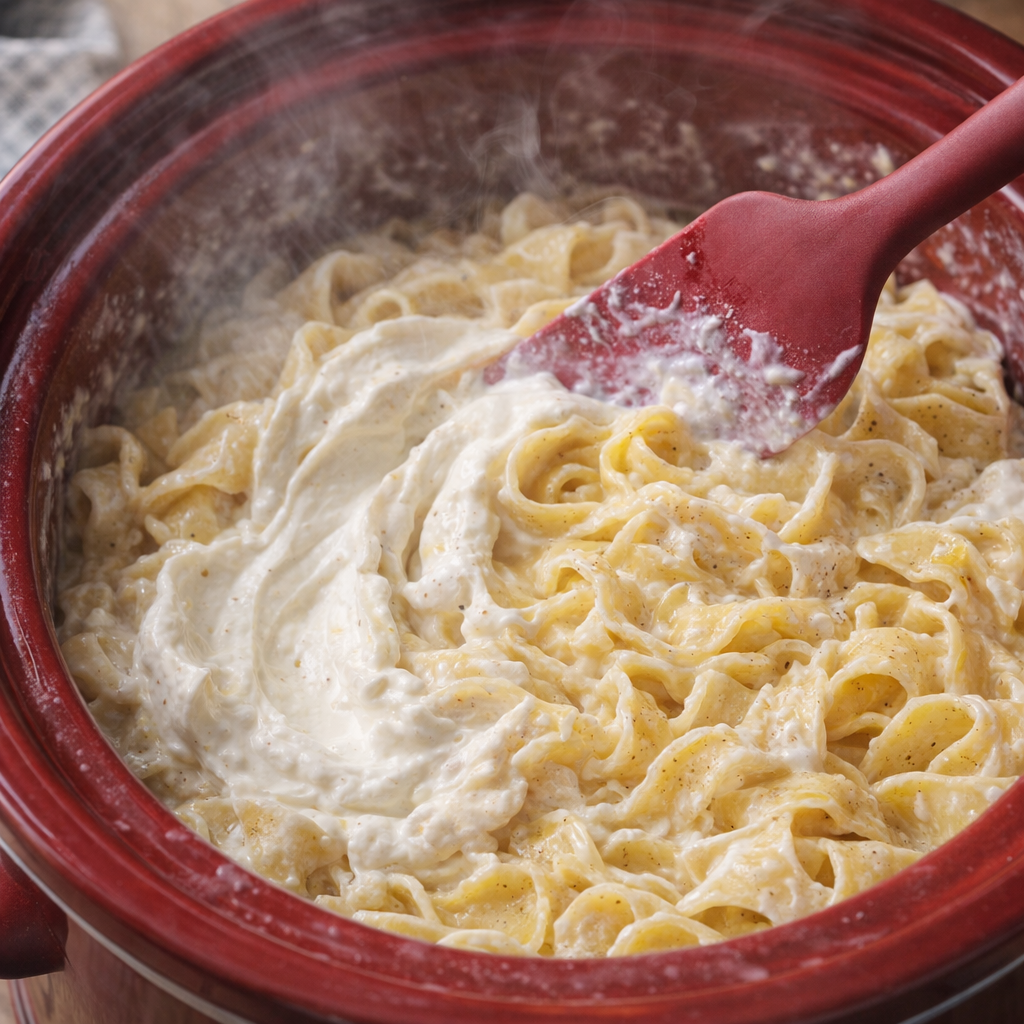
Gently fold the sour cream into the noodles until every strand is coated in a silky, creamy sauce. Avoid aggressive stirring, which can break the noodles; slow, sweeping motions work best. The residual heat will warm the sour cream without causing it to curdle.
Taste and adjust the seasoning with additional salt and black pepper if needed. The sauce should be well seasoned to balance the richness of the butter and sour cream.
Let the noodles sit on WARM for 5 to 10 minutes with the lid slightly ajar. This brief rest allows the sauce to thicken and cling to each noodle, creating that melt-on-your-tongue texture and visible golden butter swirls.
Sour cream being folded into hot noodles
Serve the noodles straight from the slow cooker, topped with an extra grind of black pepper and, if you like, a small pat of butter on top for added gloss and richness.
Variations & Tips

For a slightly lighter version, you can substitute half of the sour cream with plain full-fat Greek yogurt; add it off the heat and fold gently to prevent curdling. If you prefer a looser, more spoonable sauce, stir in an extra 1/2 to 1 cup of warm chicken broth when you add the sour cream.

For a vegetarian take, use vegetable broth instead of chicken broth and be sure your noodles are egg-free if needed, though traditional Amish-style noodles are egg-based. To turn this into a heartier main dish, fold in 1 1/2 to 2 cups of cooked, shredded chicken, diced ham, or browned ground beef when you add the sour cream, letting it warm through on LOW.
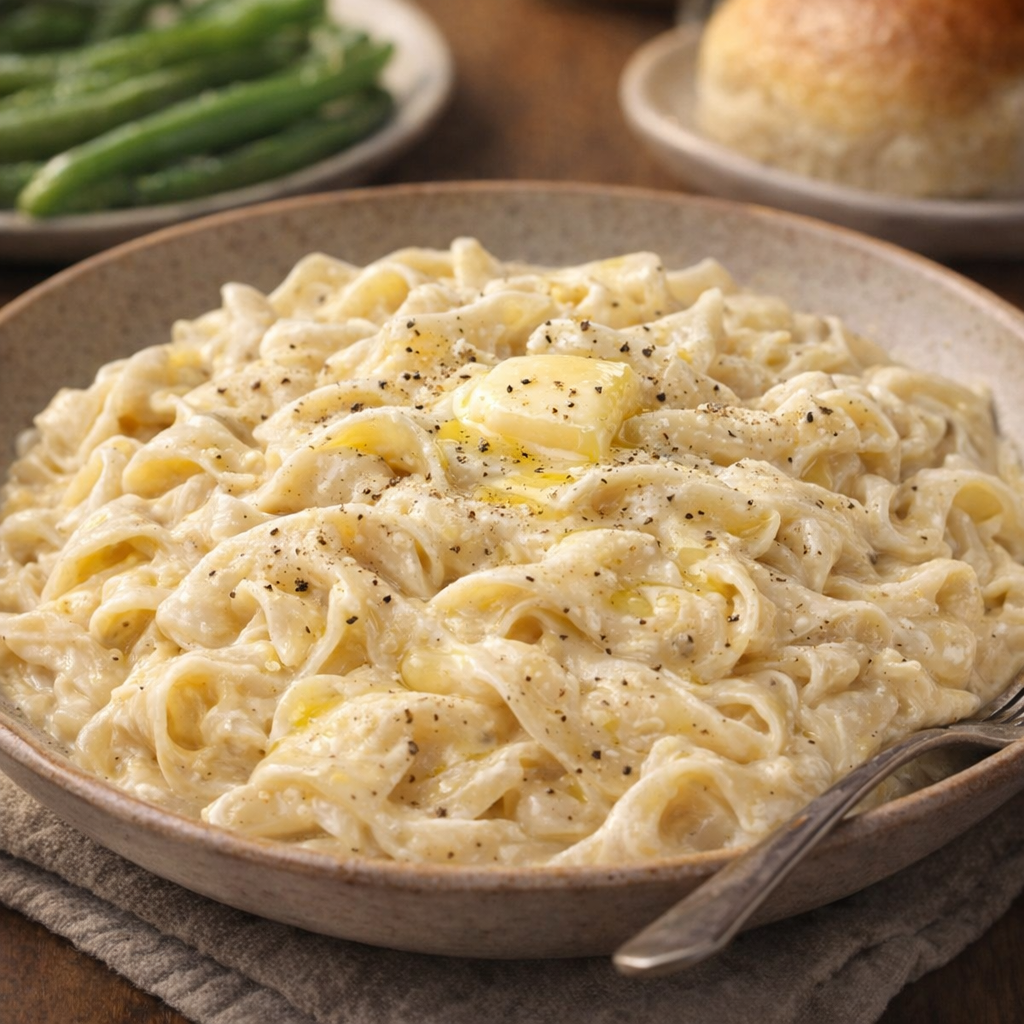
Finished creamy noodles served in a rustic bowl

Freshly grated Parmesan, a pinch of garlic powder, or a spoonful of Dijon mustard can add subtle depth without losing the simple, old-fashioned character of the dish.

Food safety tips: Keep the sour cream refrigerated until you’re ready to stir it into the hot noodles, and do not leave the finished dish at room temperature for more than 2 hours, or 1 hour if your kitchen is very warm. If you add cooked meats, ensure they are fully cooked before they go into the slow cooker at the end, and reheat leftovers to at least 165°F.

Store leftovers in a shallow, covered container in the refrigerator for up to 3 days; reheat gently over low heat on the stovetop or in the microwave with a splash of broth or milk to loosen the sauce and prevent the noodles from drying out.

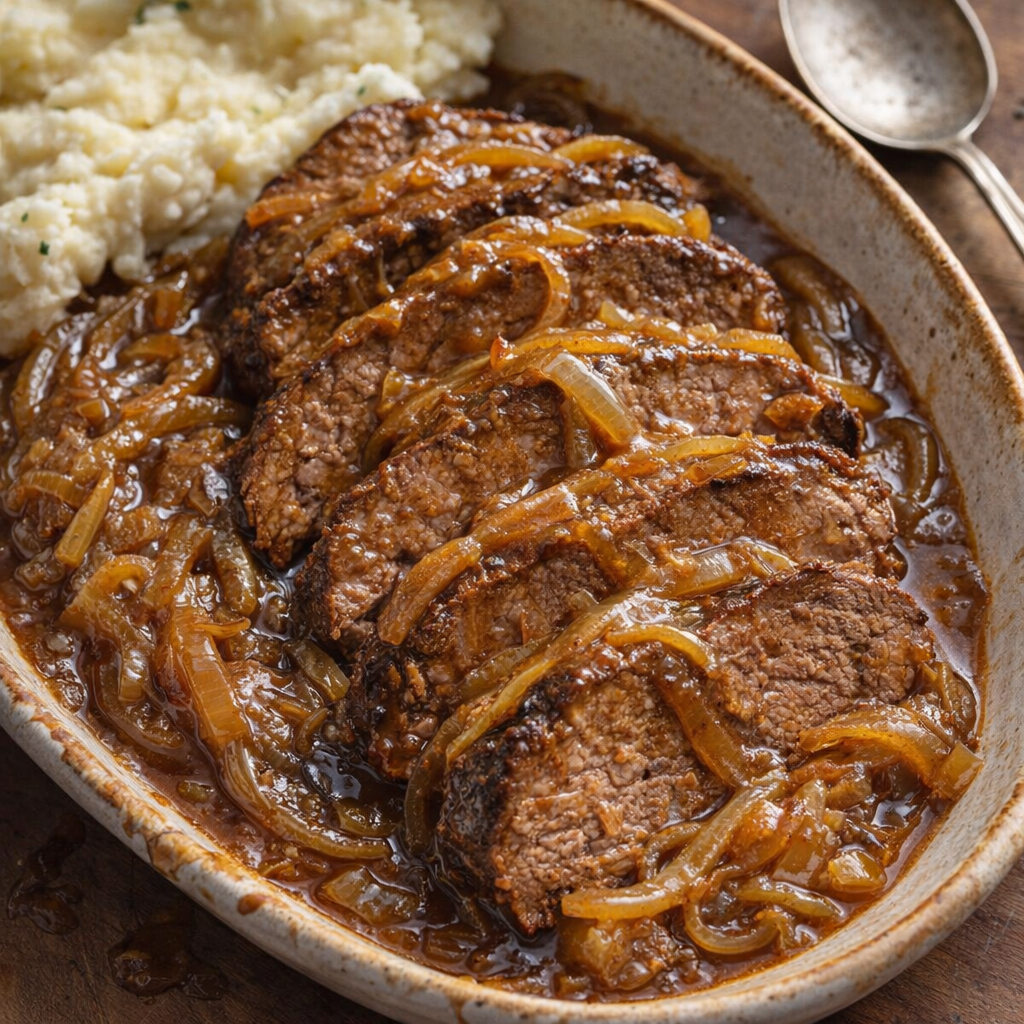
This is what Mom always made

by


This slow cooker 5-ingredient smothered beef roast is exactly the kind of dish Midwestern moms pulled out when company was coming over: unfussy, deeply comforting, and all about that silky onion gravy. It’s a classic pot roast-style recipe that leans on a generous amount of onions and a simple pantry gravy base to create a rich, almost drinkable sauce that soaks into every slice of beef.

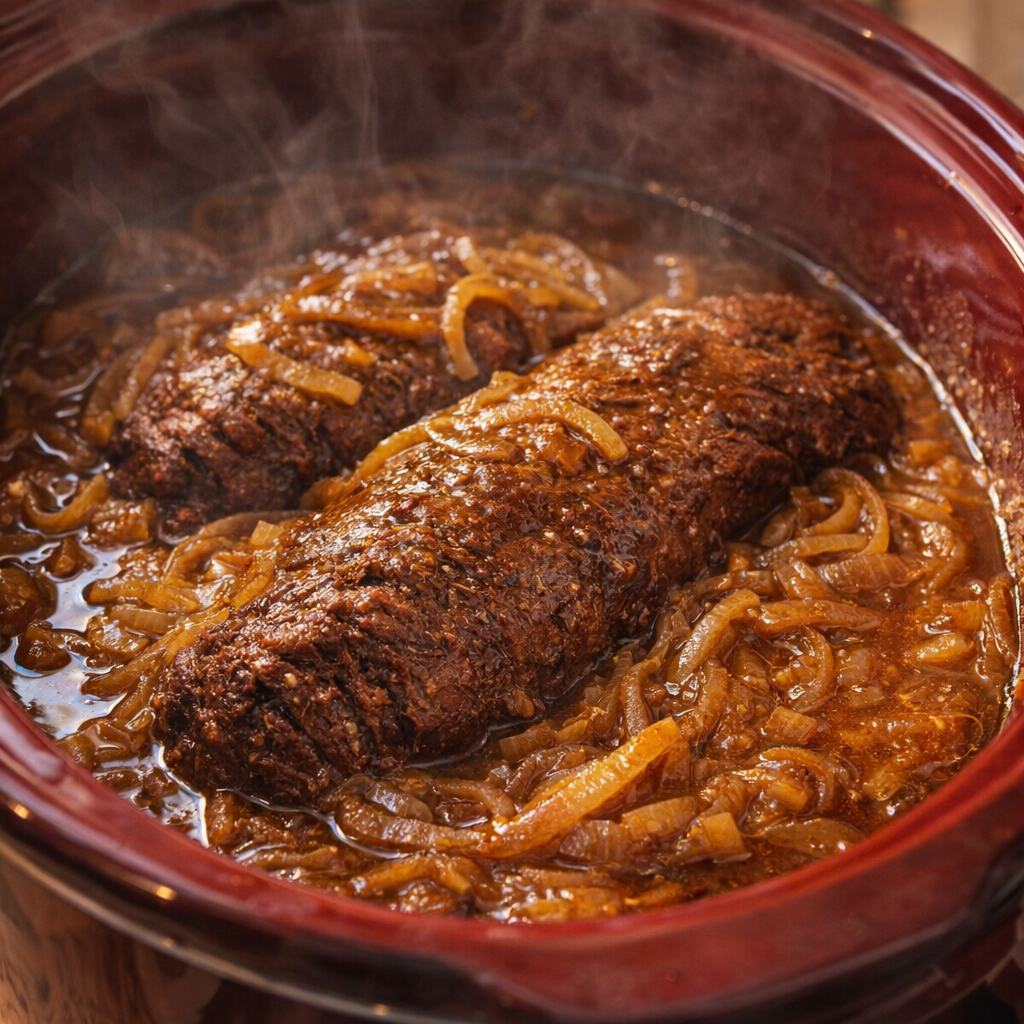
Slow cooker beef roast with onion gravy in a serving dish

The slow cooker does the work while you go about your day, and by dinnertime you have tender, sliceable roast blanketed in caramelized onion gravy that tastes like it cooked on the back of the stove all Sunday long.

Serve the smothered beef roast sliced thick, spooning plenty of the onion gravy over the top. It’s wonderful over creamy mashed potatoes, buttered egg noodles, or a bed of rice to catch every bit of the sauce. Add a simple green vegetable—like steamed green beans, roasted Brussels sprouts, or a crisp salad—to balance the richness. Warm dinner rolls or crusty bread are perfect for mopping up the extra gravy, which is half the reason to make this in the first place.

Slow Cooker Smothered Beef Roast
Servings: 6

Ingredients
3 to 3 1/2 lb beef chuck roast, excess fat trimmed
2 large yellow onions, thinly sliced (about 6 cups)
1 (10.5 oz) can condensed cream of mushroom soup
1 (1 oz) packet dry onion soup mix
1 cup low-sodium beef broth or water
Directions
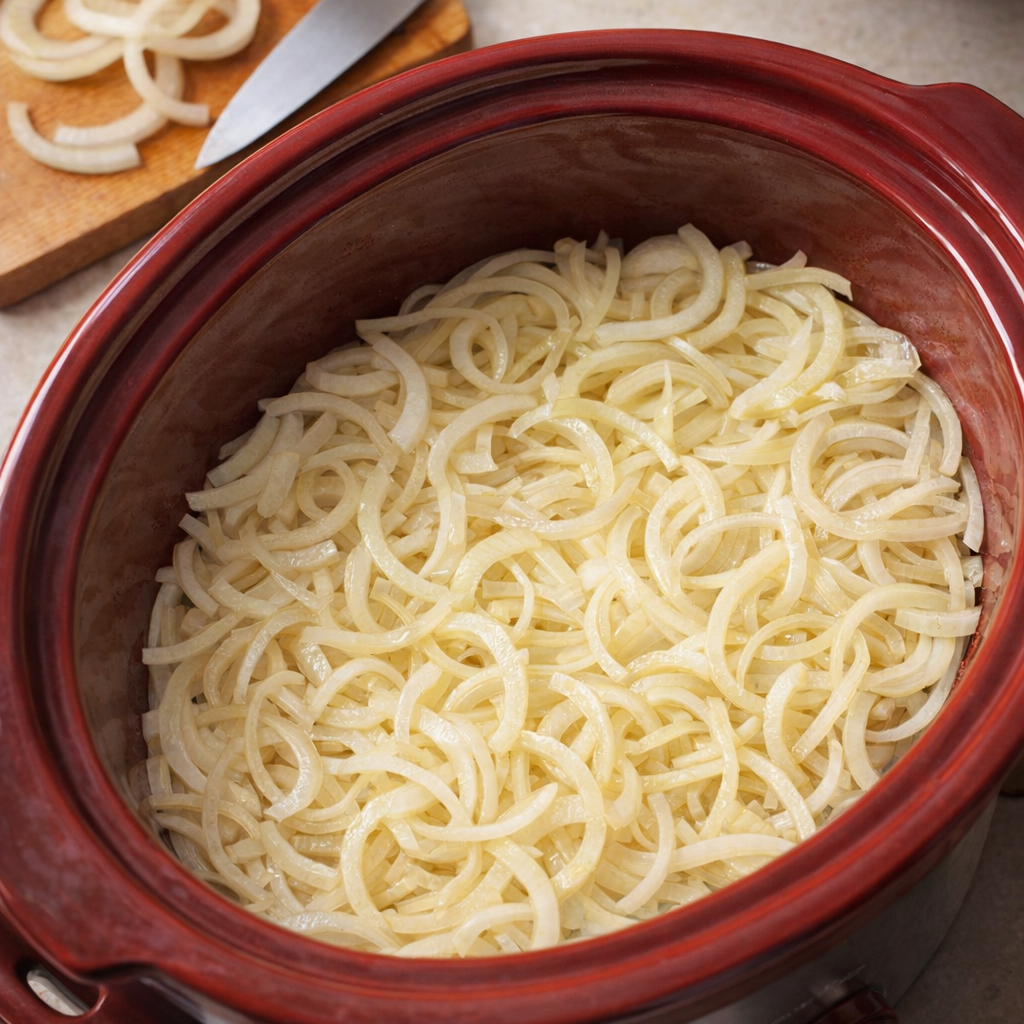
Layer the sliced onions in the bottom of a 5- to 6-quart slow cooker, spreading them out evenly. This onion bed will keep the meat off the bottom and turn into the base of your gravy.
Sliced onions layered in a slow cooker
Place the chuck roast on top of the onions. If one side is fattier, place that side facing up so the fat can baste the meat as it cooks.
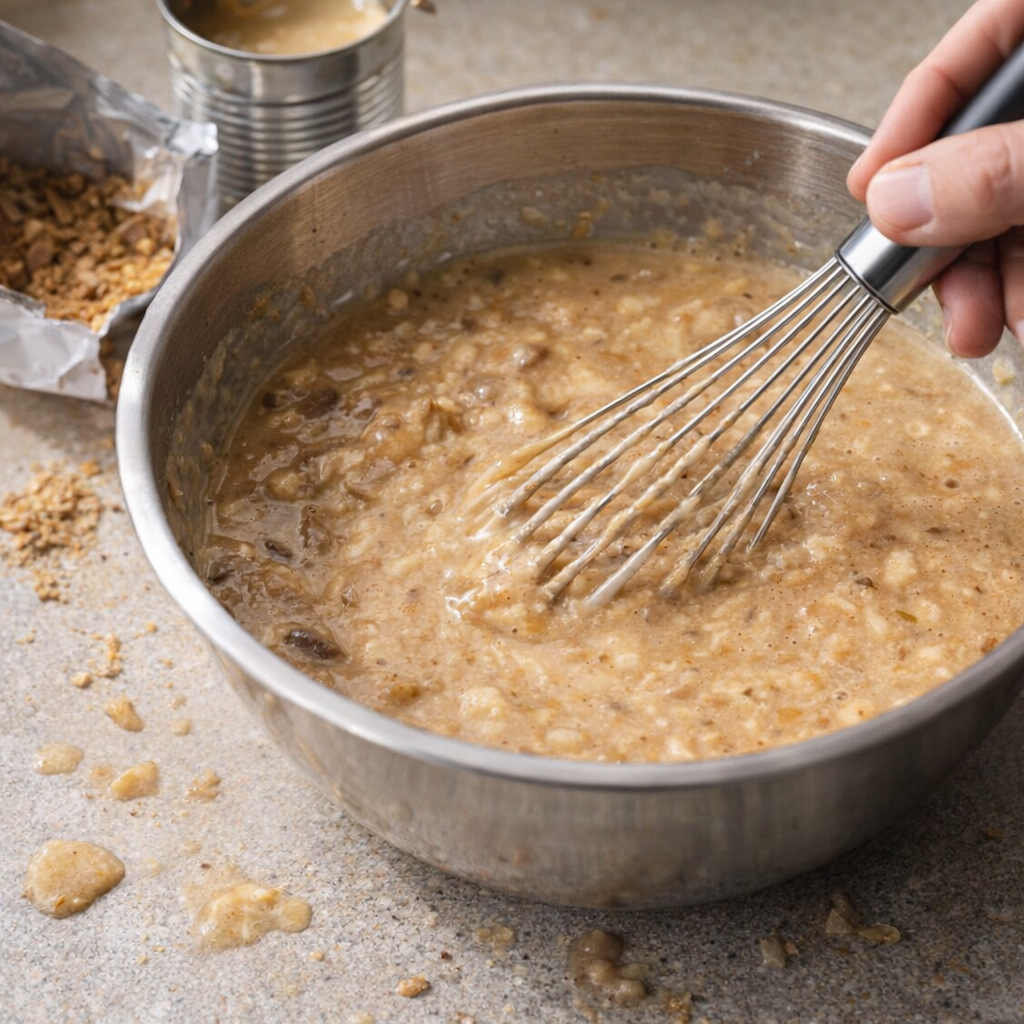
In a medium bowl, whisk together the condensed cream of mushroom soup, dry onion soup mix, and beef broth or water until mostly smooth. It doesn’t need to be perfect, but you want the soup mix evenly distributed.
Gravy mixture being whisked in a bowl
Pour the soup mixture evenly over the roast, making sure some of it seeps down over the sides and into the onions. Use a spoon to nudge a few onions up around the edges and on top of the meat so they’ll caramelize in the sauce.
Cover the slow cooker with the lid and cook on LOW for 8 to 10 hours, or on HIGH for 4 to 5 hours, until the beef is very tender and can be easily pulled apart with a fork. Low and slow will give you the best texture and deepest onion flavor.
Cooked beef roast in slow cooker with rich onion gravy
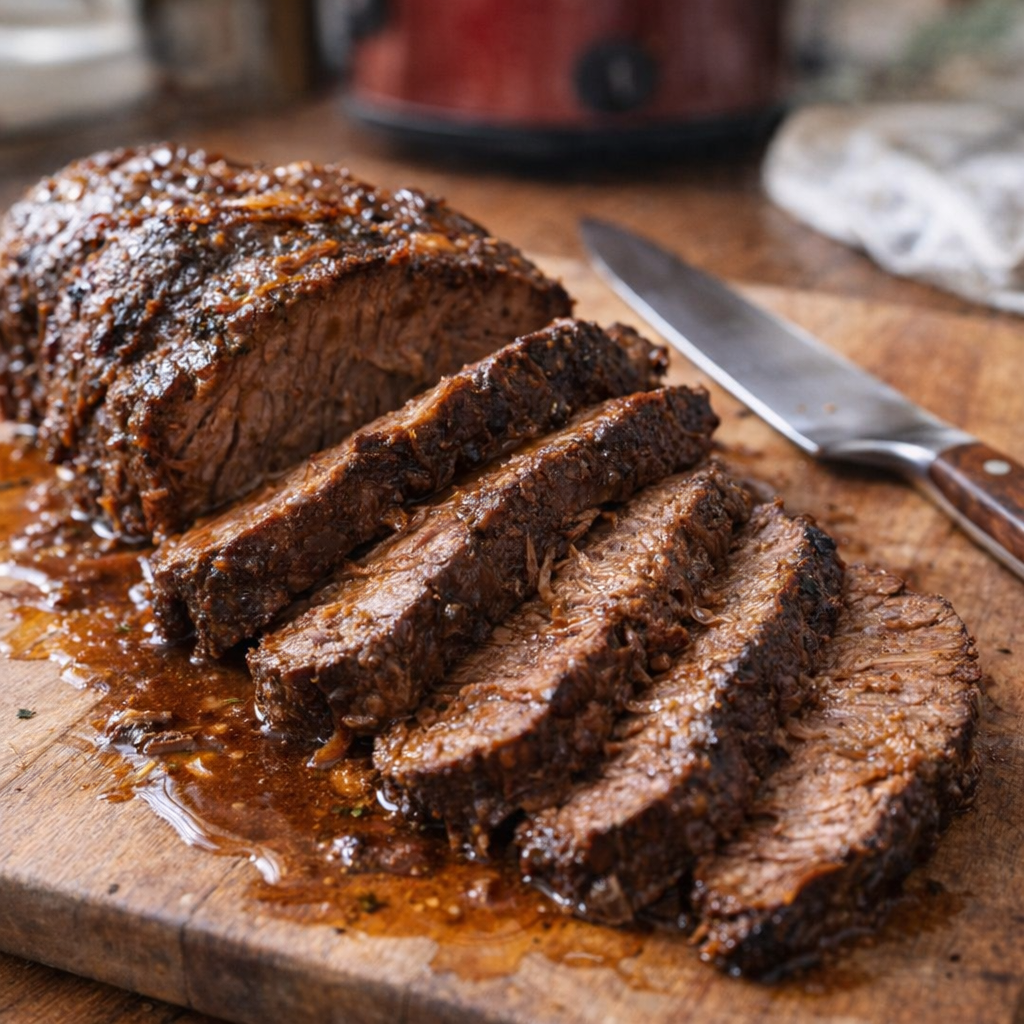
Once cooked, carefully transfer the roast to a cutting board, letting the onions and gravy stay in the slow cooker. Slice the beef across the grain into thick slices or large chunks, removing any large pieces of fat as you go.
Stir the onions and gravy together in the slow cooker. The onions should be very soft and golden, and the sauce thick, glossy, and deeply brown from the slow cooking. Taste and adjust seasoning with a pinch of salt or black pepper if needed, keeping in mind the soup mix is already salty.
Sliced beef roast on a cutting board
Return the sliced beef to the slow cooker, nestling it back into the onion gravy. Spoon the sauce over the top so every piece is well-coated. Cover and let it sit on WARM for 10 to 15 minutes so the flavors meld before serving.
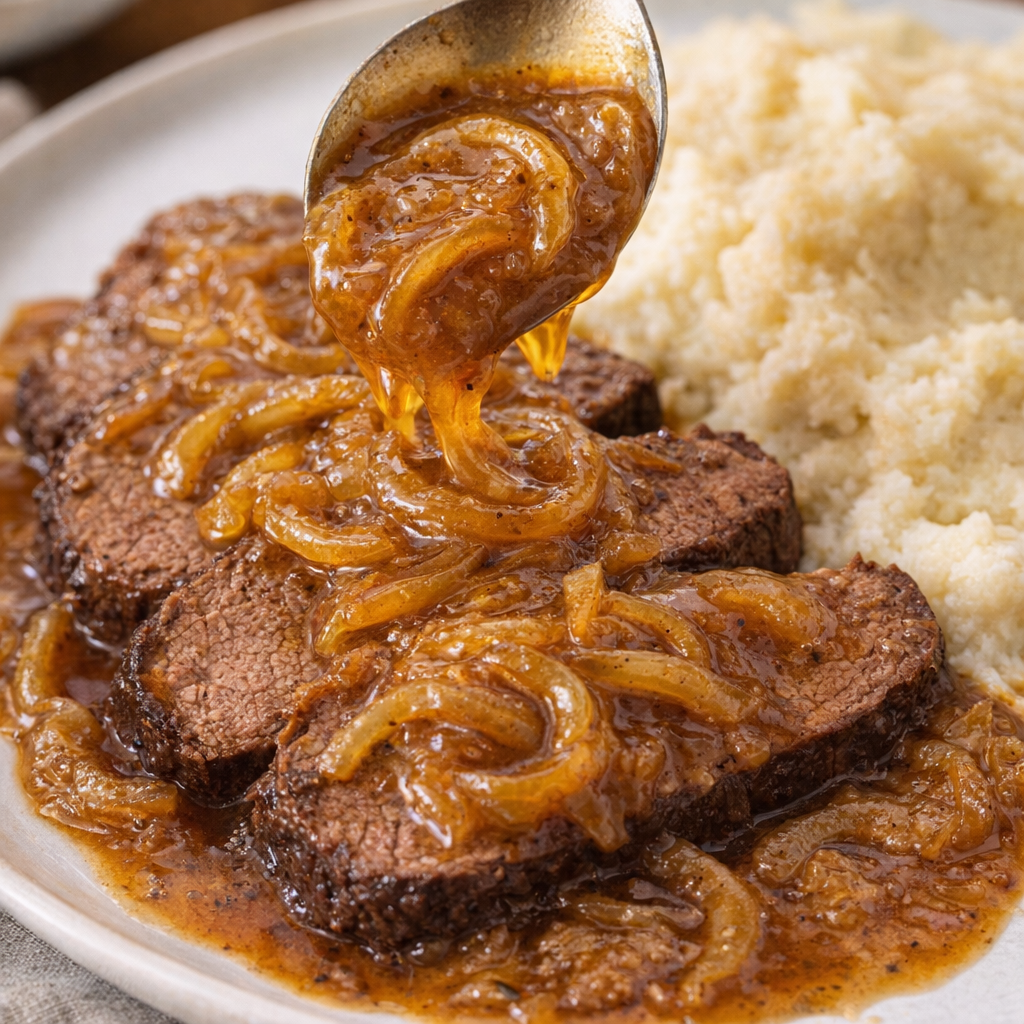
To serve, lift out thick slices of beef and spoon plenty of the caramelized onion gravy over the top, making sure each portion gets a generous amount of onions and sauce.
Variations & Tips

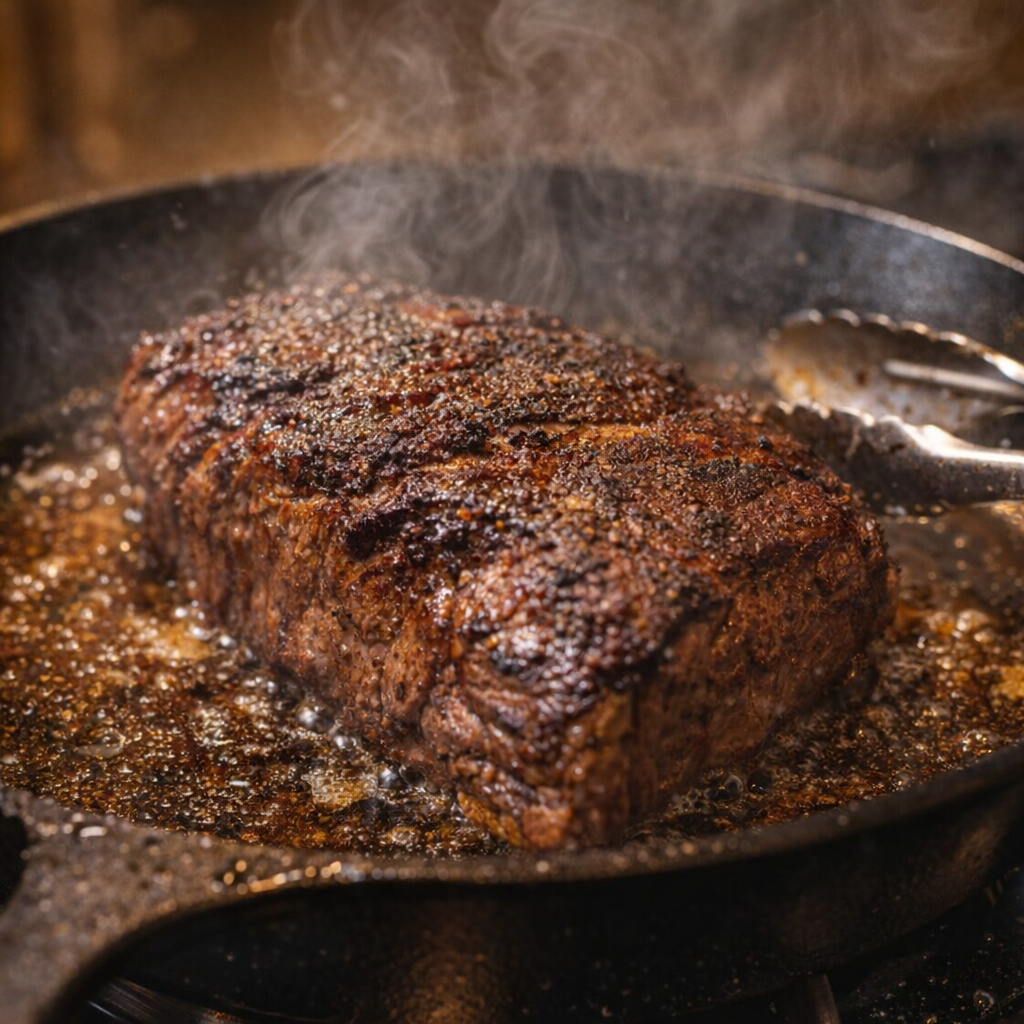
For a slightly more old-fashioned, company-worthy flavor, you can brown the chuck roast first: pat it dry, season lightly with salt and pepper, and sear it in a hot film of oil in a skillet until deeply browned on both sides, then transfer to the slow cooker on top of the onions. This adds a roasted, beefy depth to the gravy but isn’t strictly necessary.

Chuck roast browning in a skillet

If you prefer a smoother, thicker gravy, remove the cooked roast and use a ladle to transfer the onions and sauce to a saucepan. Simmer for a few minutes to reduce, or whisk 1 tablespoon cornstarch with 2 tablespoons cold water and stir into the simmering gravy until thickened, then pour back over the sliced beef. You can swap the cream of mushroom soup for cream of onion or cream of celery if that’s what you keep on hand; the onion soup mix will still drive the flavor.

For a more pronounced onion profile, use sweet onions instead of yellow, which will give the gravy a slightly sweeter, caramel-like edge. If sodium is a concern, choose low-sodium condensed soup and broth, and consider using only part of the onion soup mix packet, tasting the gravy at the end and adding more if needed.

Thick onion gravy spooned over sliced beef

Food safety tips: Always thaw beef completely in the refrigerator before placing it in the slow cooker; do not cook from frozen, as it may stay too long in the temperature danger zone (40°F–140°F). Keep the lid on the slow cooker during cooking to maintain a safe temperature and even heat. Refrigerate leftovers within 2 hours of cooking, storing them in shallow containers to cool quickly. Reheat leftovers to at least 165°F before serving, and consume within 3 to 4 days or freeze for longer storage.

My husband begs for this every

by


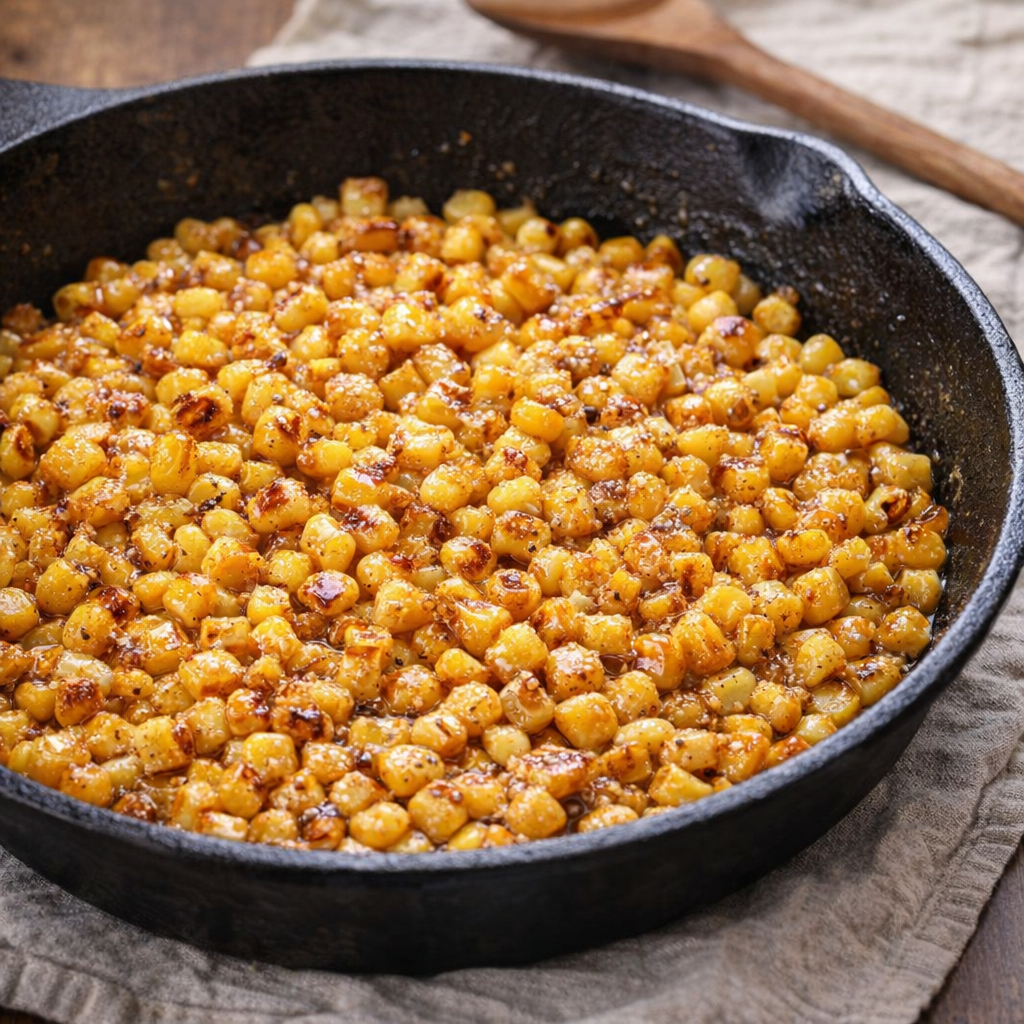
This southern 4-ingredient honey butter skillet corn is the kind of side dish that quietly steals the show at Sunday dinner. It’s inspired by the classic sweet skillet corn you’ll find across the South—simple pantry ingredients, cooked in a cast iron skillet until the kernels are glossy, golden, and just a little caramelized at the edges.

Cast iron skillet filled with glossy honey butter corn

The honey and butter create a silky, sweet-savory glaze that clings to every kernel, and the touch of heavy cream gives it that rich, almost creamed-corn vibe without any fuss. It’s quick enough for a weeknight, but cozy and indulgent enough that my husband begs for it every Sunday and unapologetically scrapes the pan clean.

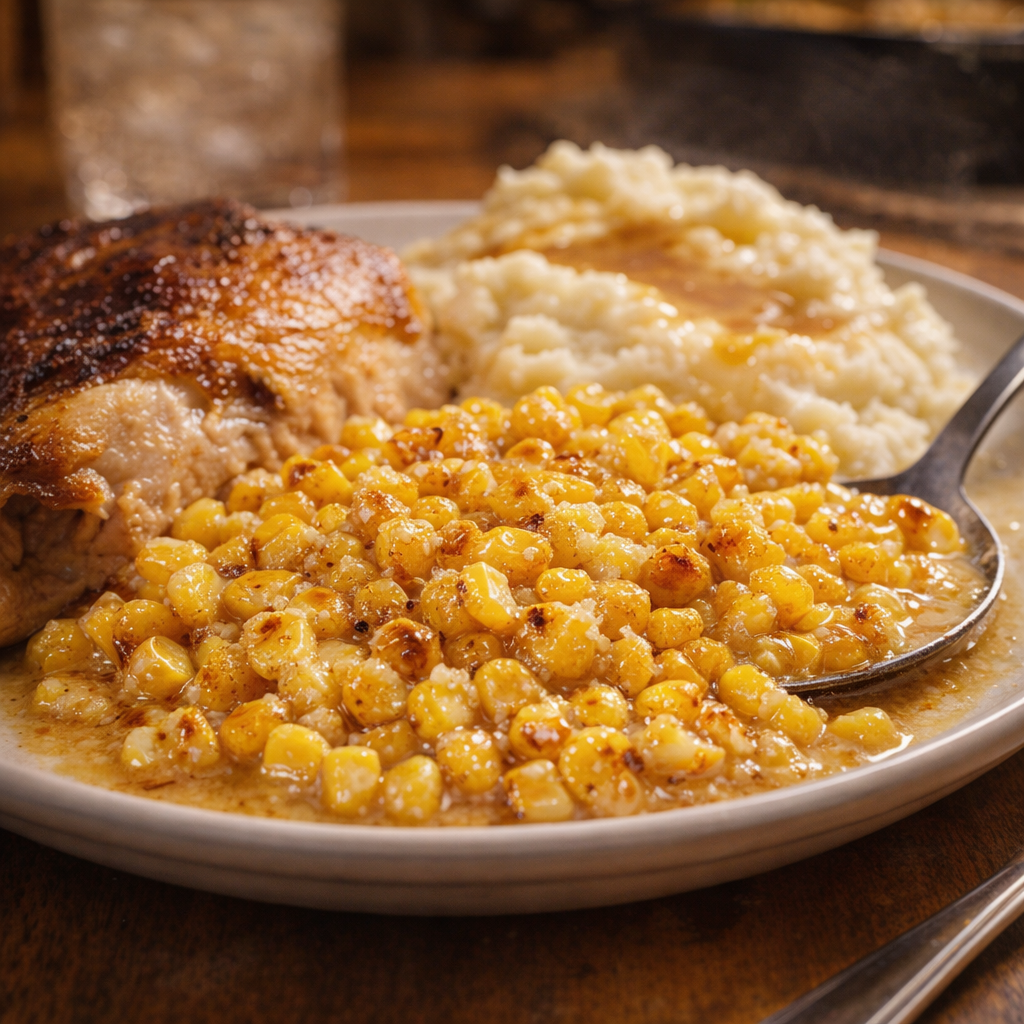
Serve this honey butter skillet corn hot, right from the cast iron skillet, alongside classic comfort dishes like roast chicken, meatloaf, baked ham, or pot roast. It pairs beautifully with mashed potatoes, cornbread, or biscuits, and adds a sweet counterpoint to anything smoky or salty—think grilled pork chops, barbecue ribs, or fried chicken.

Spoonful of creamy skillet corn beside a comfort-food dinner plate

For a lighter table, tuck it next to a big green salad or roasted vegetables; the creamy, glossy corn offers a nice contrast in texture and flavor. Leftovers, if you have any, are wonderful folded into scrambled eggs or spooned over baked sweet potatoes.

Southern 4-Ingredient Honey Butter Skillet Corn

Servings: 4


Ingredients
3 cups frozen corn kernels (no need to thaw)
4 tablespoons unsalted butter
3 tablespoons honey
1/2 cup heavy cream
Directions
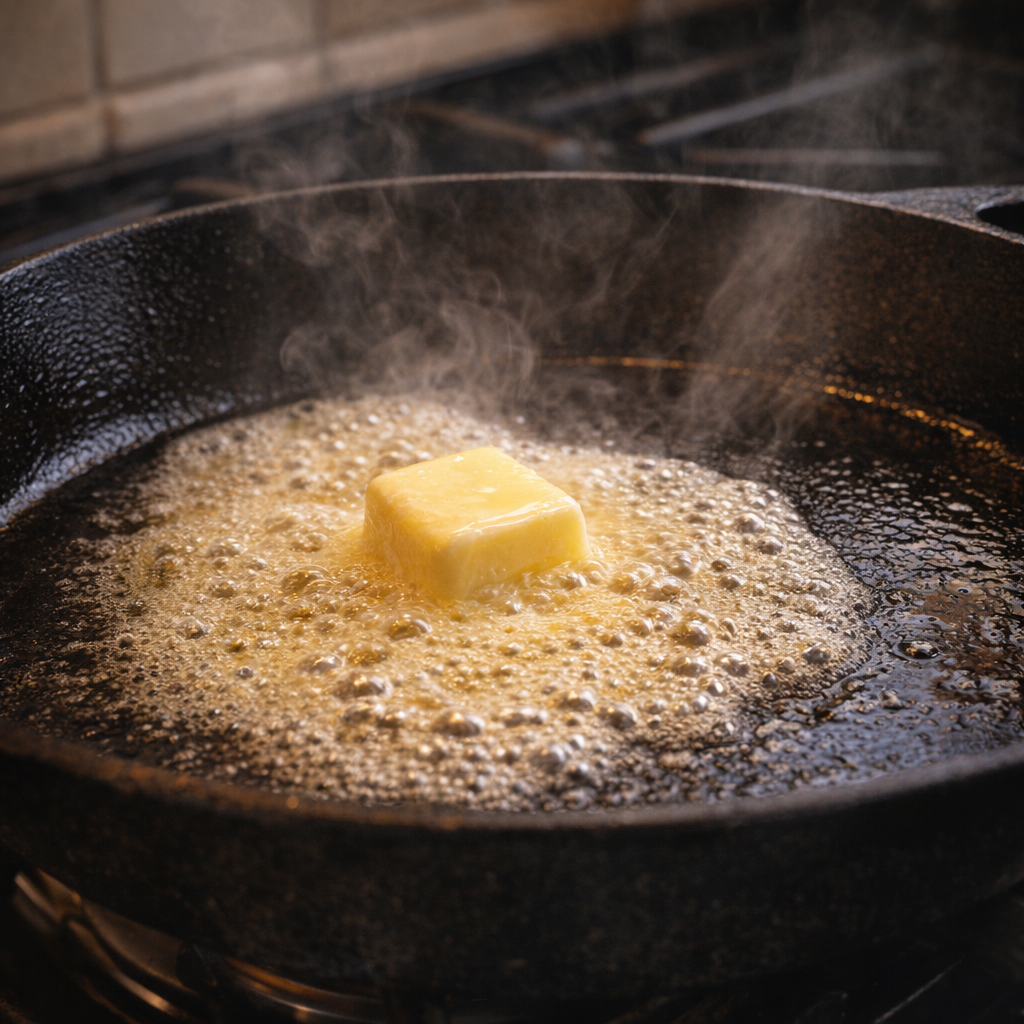
Place a medium to large cast iron skillet over medium heat and add the butter. Let it melt completely, swirling the pan so the bottom is evenly coated.
Butter melting in a cast iron skillet
Add the frozen corn kernels to the skillet and stir to coat them in the melted butter. Cook, stirring occasionally, for 5–7 minutes, until the corn is heated through and you start to see a few golden spots on the kernels.
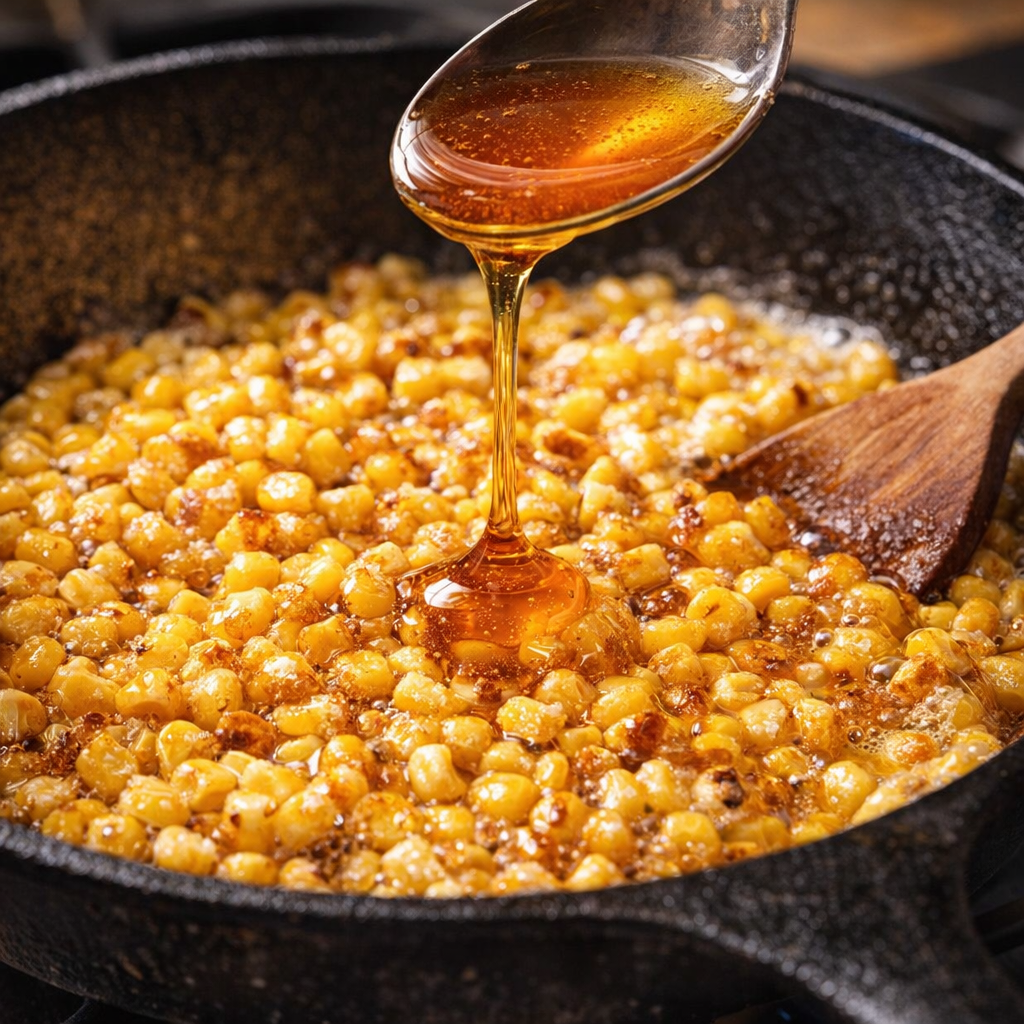
Drizzle the honey over the corn and stir well so every kernel is lightly glazed. Continue cooking for another 2–3 minutes, allowing the honey and butter to bubble together and begin forming a glossy, slightly caramelized coating.
Honey being drizzled over corn in a skillet
Pour in the heavy cream and stir to combine. Bring the mixture to a gentle simmer, then reduce the heat to medium-low. Let it cook, stirring frequently, for 4–6 minutes, or until the cream thickens slightly and clings to the corn in a shiny, rich sauce.
Taste and adjust: if you prefer it sweeter, drizzle in a little more honey; if the sauce seems too thick, loosen it with a splash more cream. Continue cooking just until the kernels are tender and the glaze is glossy and bubbling around the edges.
Creamy corn simmering in a glossy sauce
Remove the skillet from the heat and let the corn sit for 2–3 minutes; the sauce will thicken a bit more as it cools slightly. Serve straight from the cast iron skillet while still hot, scooping up plenty of the honey butter cream sauce with each spoonful.
Variations & Tips

For a touch of salt to balance the sweetness, you can add a small pinch of kosher salt to the skillet when you add the heavy cream; this won’t change the core 4-ingredient concept but will sharpen the flavors. If you like gentle heat, a light sprinkle of freshly ground black pepper or a pinch of crushed red pepper flakes at the end adds a subtle contrast to the honeyed glaze.

Finished skillet corn topped with black pepper

To lean more into a creamed-corn texture, mash a small portion of the corn in the skillet with the back of a spoon, then stir it back into the whole kernels. If you don’t have frozen corn, you can use well-drained canned corn; just be sure to pat it dry with a clean towel so excess liquid doesn’t thin the glaze.

In late summer, fresh corn cut from the cob is wonderful—plan on about 4–5 ears to yield 3 cups of kernels, and cook a minute or two less since fresh kernels stay tender. For food safety, keep the corn refrigerated within two hours of cooking and store leftovers in a covered container in the refrigerator for up to 3 days; reheat gently over low heat, adding a spoonful of cream or water if the sauce has thickened too much. Always heat leftovers until they are steaming hot throughout before serving.

My grandmother made this every Sunday after church

by


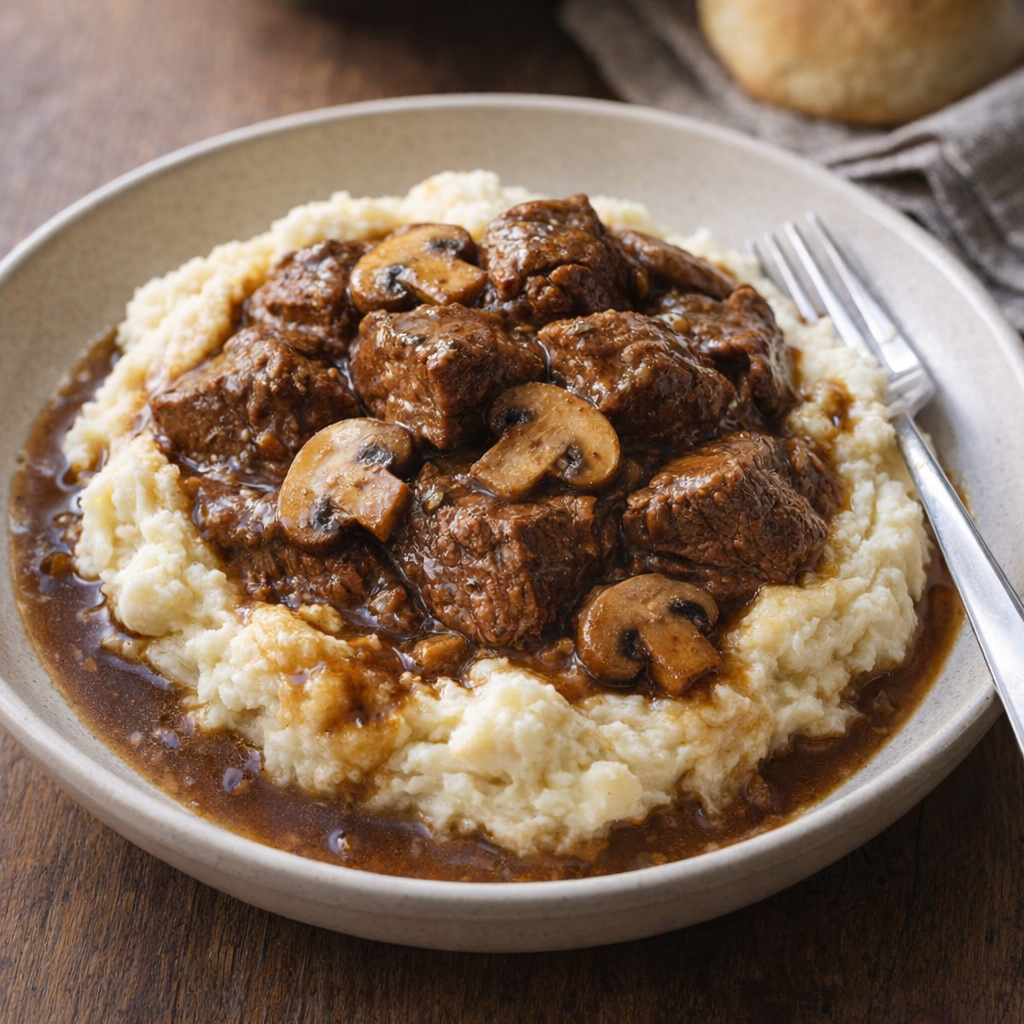
Every Sunday after church, my grandmother would put a pot of these mushroom beef tips on the table, and the whole house smelled like comfort. The meat was so tender you never needed a knife, and that glossy brown gravy begged for a good piece of bread or a scoop of mashed potatoes to catch every drop.

Slow cooker mushroom beef tips served over mashed potatoes

This is a simple, slow cooker, four-ingredient version of her Midwestern-style roast and gravy—no fancy tricks, just pantry staples and time doing the work for you. It’s the kind of recipe you start in the morning and come home to in the afternoon, with the slow cooker full of steam, tender beef, and soft mushrooms swimming in a rich, church-Sunday kind of gravy.

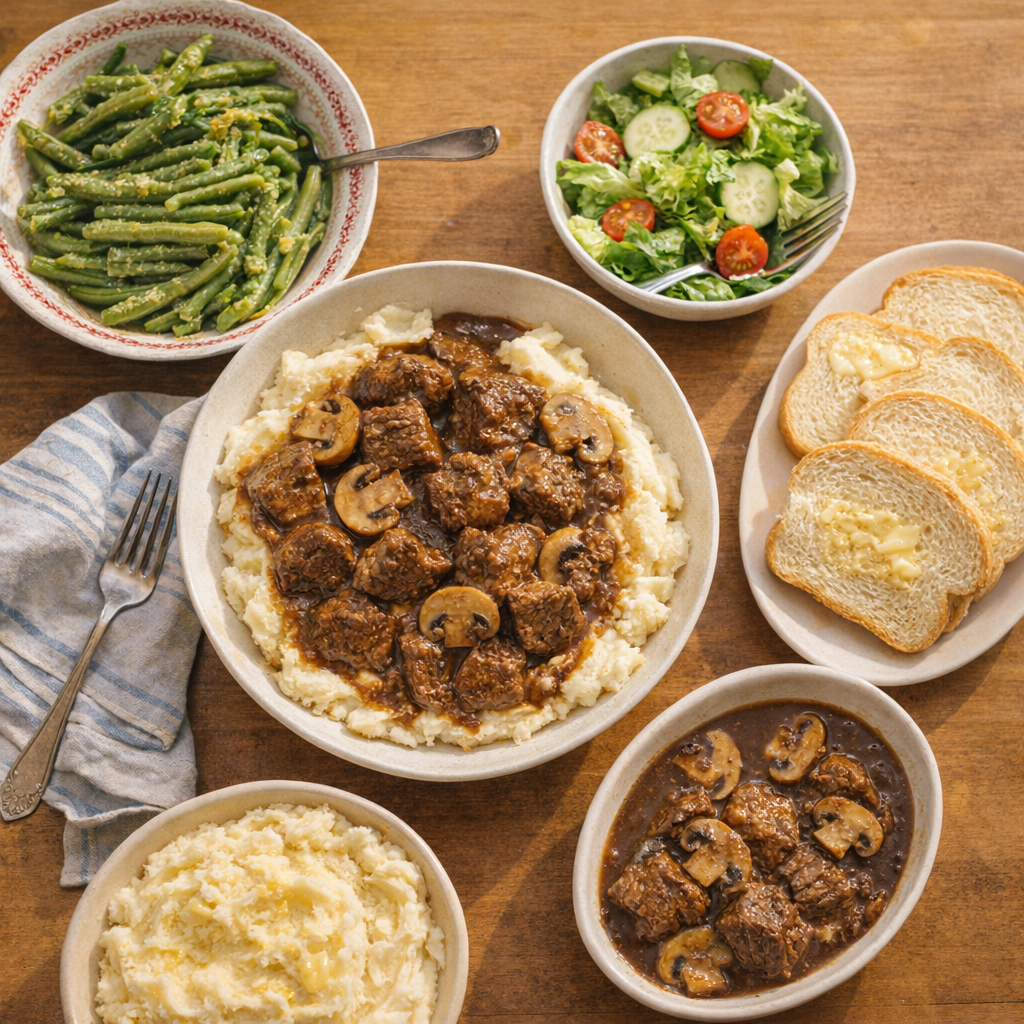
Serve these slow cooker mushroom beef tips spooned over a mound of buttery mashed potatoes, wide egg noodles, or steamed white rice so that rich brown gravy has somewhere to soak in. A simple side of buttered green beans, corn, or a crisp lettuce salad balances the richness nicely. Warm dinner rolls or thick slices of white bread are perfect for sopping up whatever gravy is left in the bottom of the bowl. For a true old-fashioned Sunday supper, finish with something simple and homey, like a fruit crisp or a scoop of vanilla ice cream.

Sunday supper table with beef tips and simple side dishes

Slow Cooker 4-Ingredient Mushroom Beef Tips

Servings: 6


Ingredients
2 1/2 to 3 pounds beef stew meat or beef chuck, cut into 1 1/2-inch chunks
2 (10.5-ounce) cans condensed cream of mushroom soup
1 (1-ounce) packet dry onion soup mix
8 ounces fresh mushrooms, sliced
Directions
Lightly grease the inside of a 5- to 7-quart slow cooker with a bit of oil or nonstick spray to make cleanup easier.
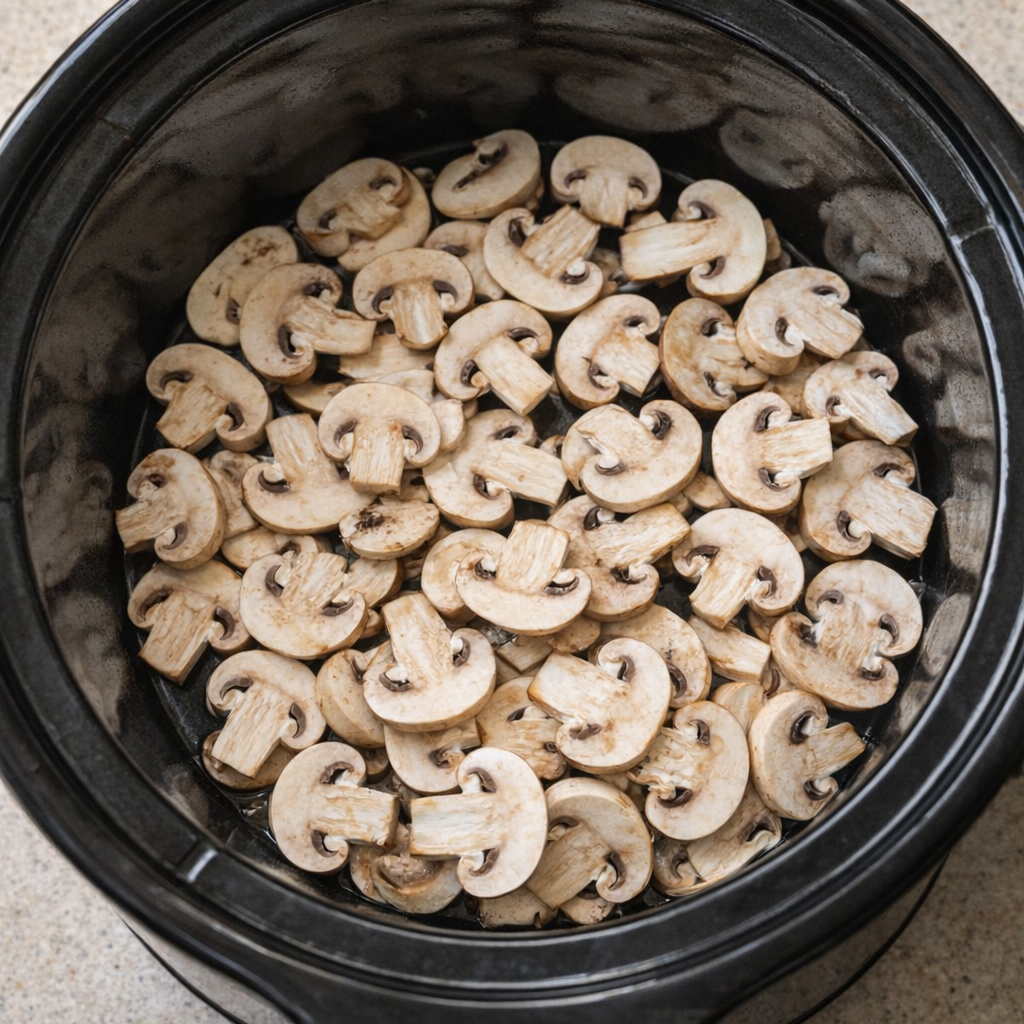
Spread the sliced mushrooms evenly over the bottom of the slow cooker; they’ll soften and soak up the juices as the beef cooks.
Sliced mushrooms layered in the bottom of a slow cooker
Place the beef stew meat or chuck chunks on top of the mushrooms in an even layer, breaking up any pieces that are stuck together so everything cooks evenly.
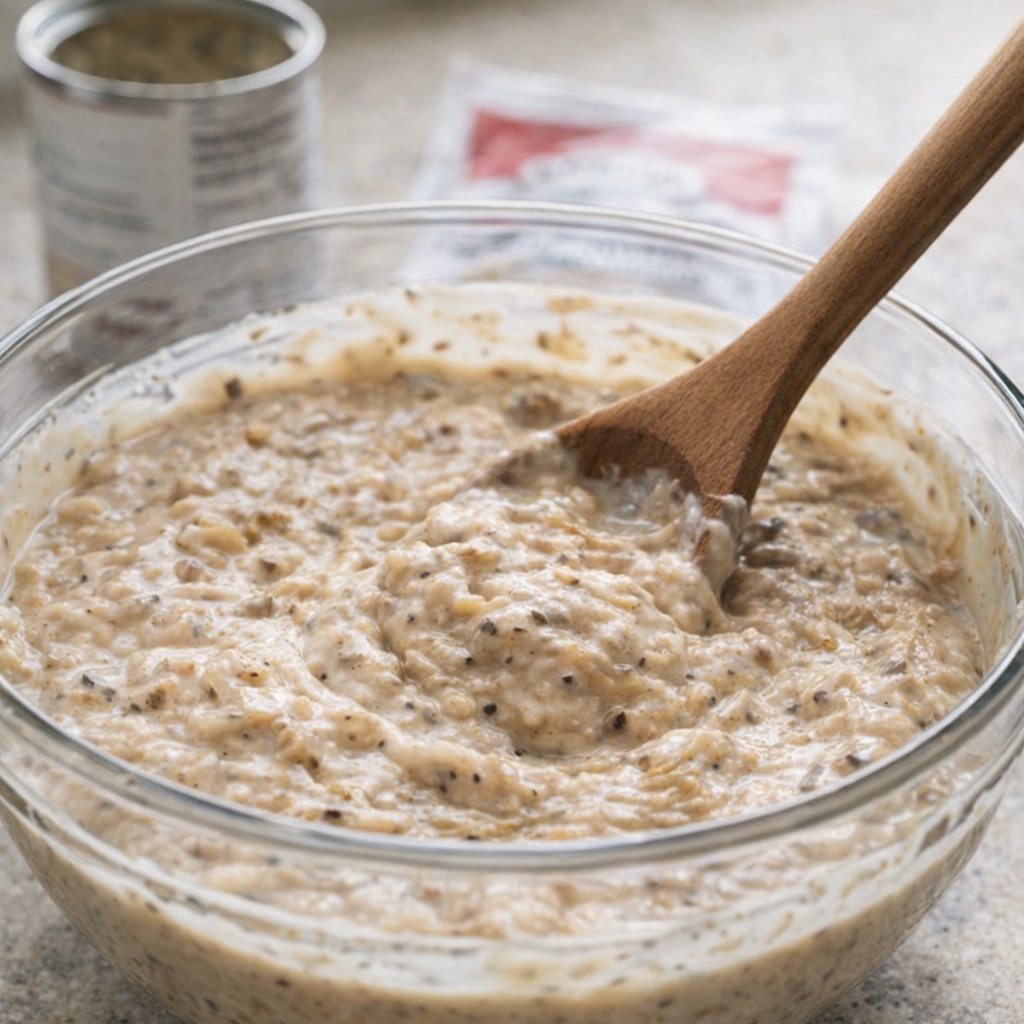
In a medium bowl, stir together the condensed cream of mushroom soup and the dry onion soup mix until well combined and smooth. You don’t need to add water; the beef and mushrooms will release plenty of liquid as they cook.
Cream of mushroom soup and onion soup mix stirred together in a bowl
Pour the soup and seasoning mixture evenly over the beef and mushrooms, using a spatula to spread it so all the meat is coated in the mixture. Do not stir; just let it sit in layers so the beef slowly braises underneath.
Cover the slow cooker with the lid and cook on LOW for 7 to 8 hours, or until the beef is very tender and easily falls apart with just a fork. Avoid lifting the lid too often, as that lets out heat and can lengthen the cooking time.
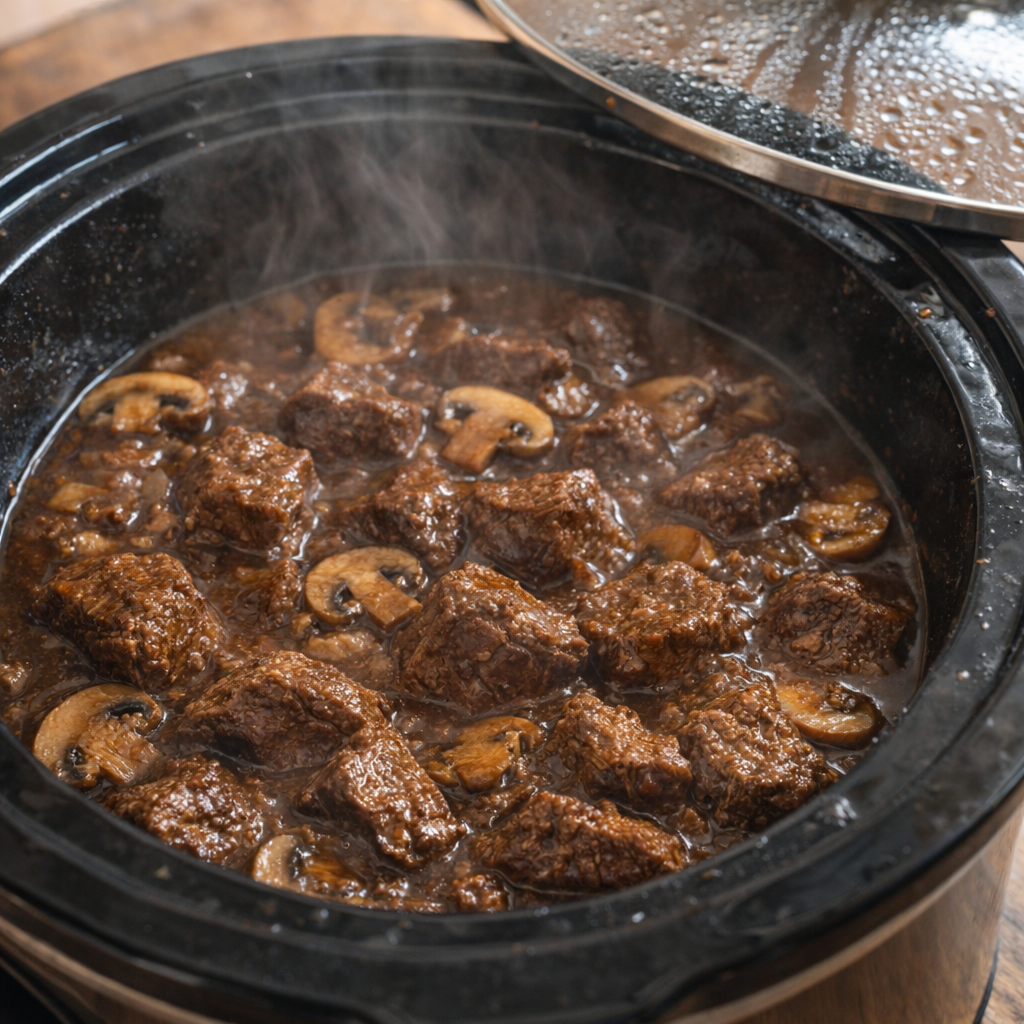
Slow cooker full of beef tips and gravy mid-cook
Once the beef is fork-tender, gently stir the mixture in the slow cooker to combine the meat, softened mushrooms, and the now-rich brown gravy. If the gravy seems too thick for your liking, you can thin it with a few tablespoons of warm water or beef broth; if it’s a bit thin, let it cook uncovered on HIGH for 15 to 20 minutes to reduce slightly.
Taste the gravy and add a small pinch of salt and black pepper only if needed; the onion soup mix is quite salty on its own, so many times no extra seasoning is necessary.
Turn the slow cooker to the WARM setting until ready to serve. Spoon the mushroom beef tips and plenty of that glossy brown gravy over mashed potatoes, noodles, or rice, making sure each serving gets a good mix of tender beef and soft mushrooms.
Variations & Tips

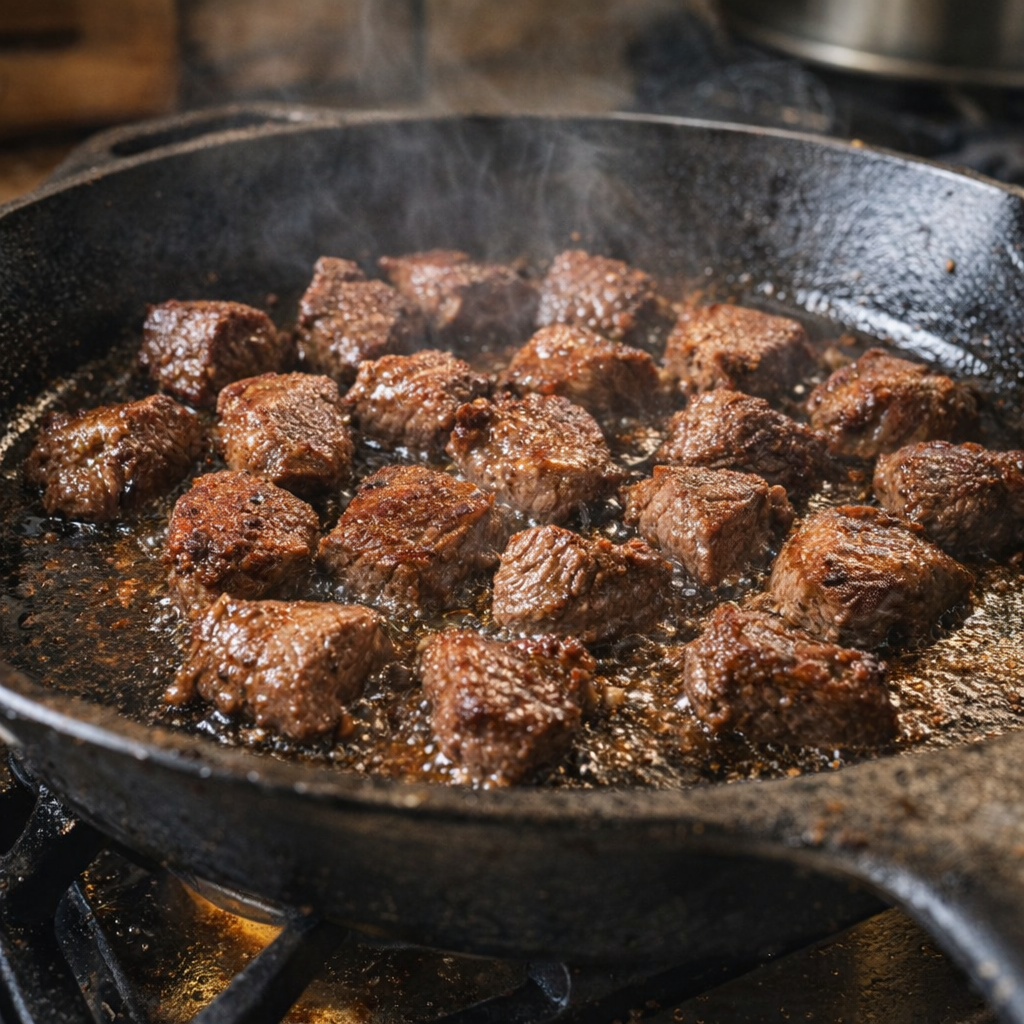
For a deeper flavor, you can brown the beef chunks in a hot skillet with a tablespoon of oil before adding them to the slow cooker, though it isn’t necessary for tenderness. If you prefer, substitute one can of cream of mushroom soup with cream of celery or cream of chicken for a slightly different but still comforting gravy. For a stronger mushroom flavor, add an extra handful of sliced mushrooms or use baby bellas instead of white button mushrooms. If you like a little tang, stir in 1 to 2 tablespoons of Worcestershire sauce along with the soup mixture (this will add a fifth ingredient but won’t hurt the recipe if you choose to use it).

Beef chunks browning in a skillet before going into the slow cooker

To stretch the meal for a bigger family, add a bag of frozen mixed vegetables during the last hour of cooking. For a lower-sodium version, look for reduced-sodium soup and reduced-sodium onion soup mix, and taste before adding any extra salt.

Food safety tips: Always start with fresh, cold beef and keep it refrigerated until you’re ready to cook. Do not cook this recipe on the WARM setting; use LOW or HIGH only. Make sure the beef reaches a safe internal temperature of at least 145°F, though in practice it will be much higher and very tender after several hours on LOW. Refrigerate leftovers within 2 hours of serving, store in a covered container in the refrigerator for up to 3 to 4 days, and reheat gently until steaming hot before eating. Avoid leaving the slow cooker on the “Keep Warm” setting for more than 4 hours after the cooking time has ended to maintain best quality and safety.

Found this in my aunt's recipe

by


This oven baked 4-ingredients party potato puffs recipe comes straight out of my aunt’s old recipe box from the 1960s, the kind written on a yellowed index card with a little grease stain in the corner. These are the simple, cozy kind of church potluck dish that disappears before you even make it through the line. They bake up into little golden, puffy bites with crispy tops and soft, creamy centers—easy to pick up, easy to eat, and easy to make with things you probably already have on hand.
Serve these warm on a vintage platter or any big plate, and let folks grab them with toothpicks or small tongs. They’re perfect alongside baked ham, meatloaf, or roast chicken, and they fit right in on a potluck table next to green bean casserole, deviled eggs, and a simple salad. At home, I like to put out a little dish of ketchup for the kids and a small bowl of sour cream mixed with chives or green onion for the grown-ups. They reheat nicely in the oven, so you can tuck any leftovers next to scrambled eggs or a breakfast casserole the next morning.
Golden potato puffs on a serving platter
Oven-Baked Party Potato Puffs
Servings: 24–30 bite-size puffs

Ingredients
2 cups cold leftover mashed potatoes (firm, not runny)
2 large eggs, lightly beaten
1 cup shredded cheddar cheese (mild or medium)
1/4 cup finely chopped green onion or chives
Directions
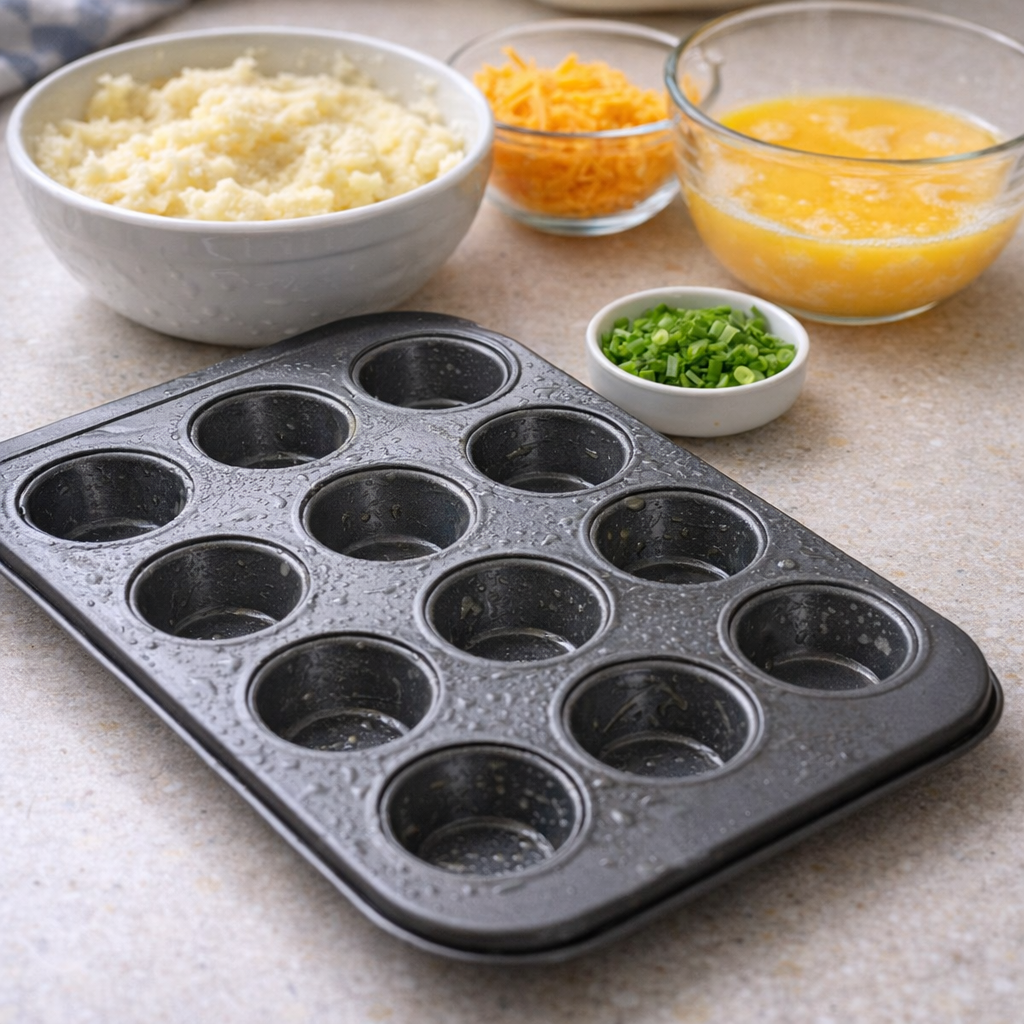
Preheat your oven to 400°F (200°C). Lightly grease a mini muffin pan (24-count) with cooking spray, shortening, or a little butter. If you don’t have a mini muffin pan, grease a regular muffin pan and plan on fewer, slightly larger puffs.
Mini muffin pan prepared for potato puffs
In a medium mixing bowl, add the cold mashed potatoes. Break them up gently with a fork so there are no big clumps.
Stir in the beaten eggs until the potatoes look smooth and the eggs are fully worked in. The mixture should be thick but scoopable.
Add the shredded cheddar cheese and the chopped green onion or chives. Stir until everything is evenly combined. If your mashed potatoes were very plain to start with, you can taste a tiny bit and add a pinch of salt and pepper if needed.
Potato puff mixture in a mixing bowl
Using a small spoon or a tablespoon measure, scoop the potato mixture into the prepared mini muffin cups, filling each one almost to the top. Gently press the tops to smooth them out just a bit, then lightly mound the center so they puff nicely.
Bake on the middle rack for 18–22 minutes, or until the puffs are set, the edges are golden brown, and the tops look lightly crisp. If you’re using a regular muffin pan, they may need a few extra minutes; watch for that same golden color.
Remove the pan from the oven and let the potato puffs cool in the pan for about 5 minutes. This helps them firm up so they don’t fall apart.
Freshly baked potato puffs cooling in the pan
Run the tip of a butter knife around the edges if needed, then gently lift the puffs out and arrange them on a serving platter. Serve warm, and watch them disappear.
Variations & Tips
You can easily tweak these to fit your family and whatever you have on hand.
For a more classic 1960s church-basement feel, swap half the cheddar for shredded Colby or American-style cheese. If your crew loves a little smokiness, fold in 2–3 tablespoons of finely crumbled cooked bacon or ham (this will technically add another ingredient, but it’s a nice upgrade for special occasions).
For kids who don’t like green bits, leave out the green onion and use a mild cheddar; you can sprinkle just a few chives over half the batch after baking so the grown-ups still get that flavor. If your mashed potatoes are very soft or buttery, you may want to add 1–2 tablespoons of plain dry breadcrumbs to help the mixture hold its shape.
These can also be made with instant mashed potatoes prepared according to the package directions, as long as they’re cooled and on the thick side. To make ahead, mix the batter, cover tightly, and refrigerate up to 24 hours, then scoop and bake just before serving.
Potato puffs served with kid-friendly and grown-up dips
Food safety tips: Start with fully cooked, cooled mashed potatoes that have been stored in the refrigerator and used within 3–4 days of when they were made.
Keep the egg-and-potato mixture chilled until you’re ready to bake if you’re not putting it straight into the oven. Don’t leave the finished puffs at room temperature for more than 2 hours (or 1 hour if it’s very warm in the room); after that, refrigerate leftovers in a covered container and reheat them in a 350°F oven until hot in the center.
Always wash your hands and utensils after handling raw eggs, and make sure the puffs are baked until they’re fully set in the middle.

Top Ad 728x90

Top Ad 728x90